From “seeing” to “living”: the shift redefining experiential tourism. Travellers are no longer looking simply to explore a destination, but to experience it. ACHM Hotels by Marriott explores how this transformation is redefining the role of hotels, gastronomy and authenticity.
For decades, travelling meant one thing: collecting destinations. Completing a list of must-see places, ticking them off one by one, almost like a race against the clock of the journey. That model is wearing thin. Today’s traveller is not looking to simply see a destination, but to experience it: to understand its history, taste its cuisine and connect with its way of life.
This is the perspective explored by Hosteltur in an opinion article by ACHM Hotels by Marriott, which examines how this shift in mindset is redefining the role of every element that forms part of the journey, and particularly that of the hotel, which has ceased to be simply a place to rest and has become an essential part of the travel experience.
The Hotel as the First Point of Contact with the Destination
If travellers are looking to connect with the place they are visiting, the hotel becomes their first reference point for capturing the essence of the city. This is why the hotel industry has increasingly embraced distinctive buildings: spaces with a history of their own, capable of preserving and conveying the urban heritage of the places in which they are located.
Staying in a building that forms part of a city’s story is not merely an aesthetic detail. It is a way of connecting with the spirit of a place from the very beginning.
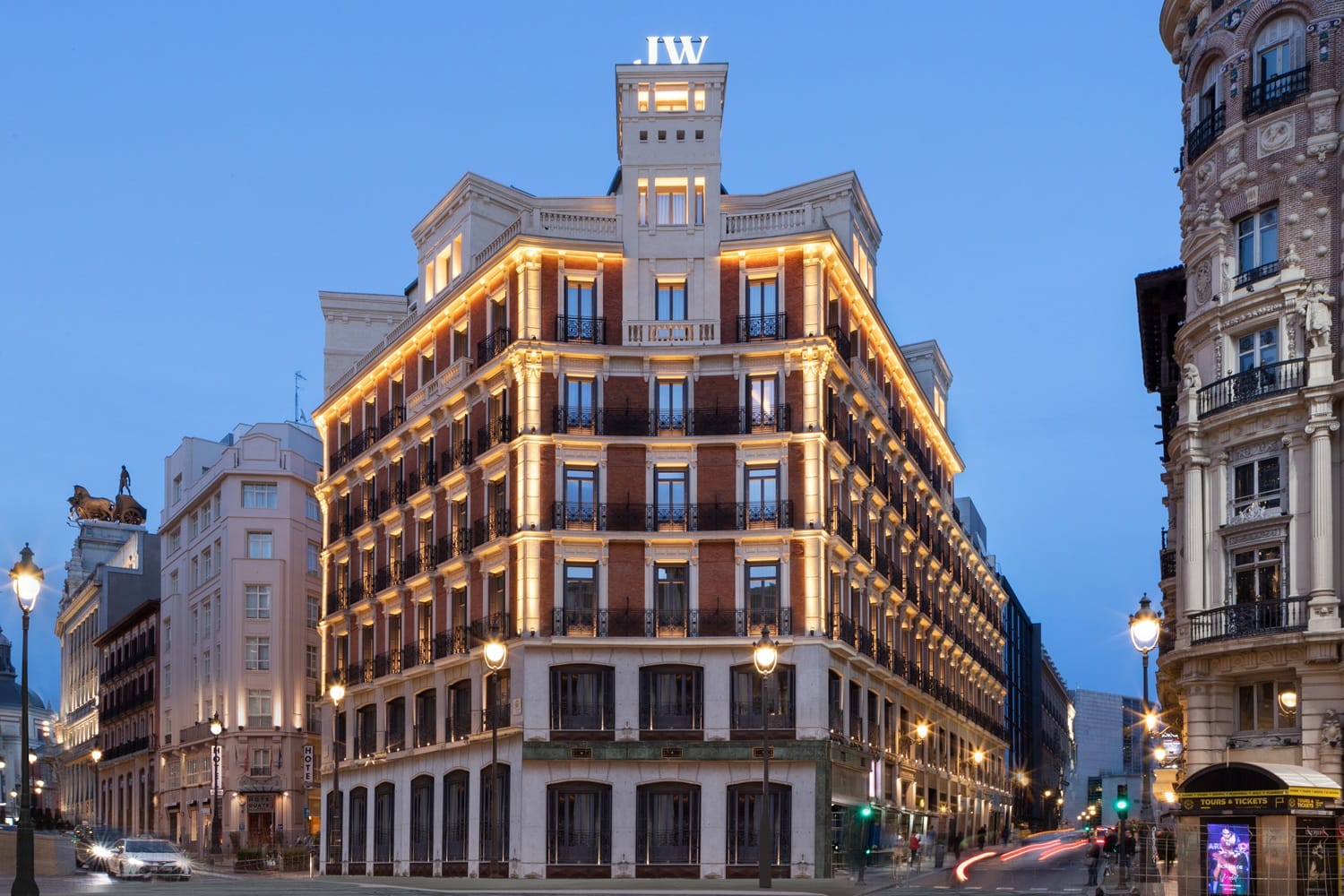
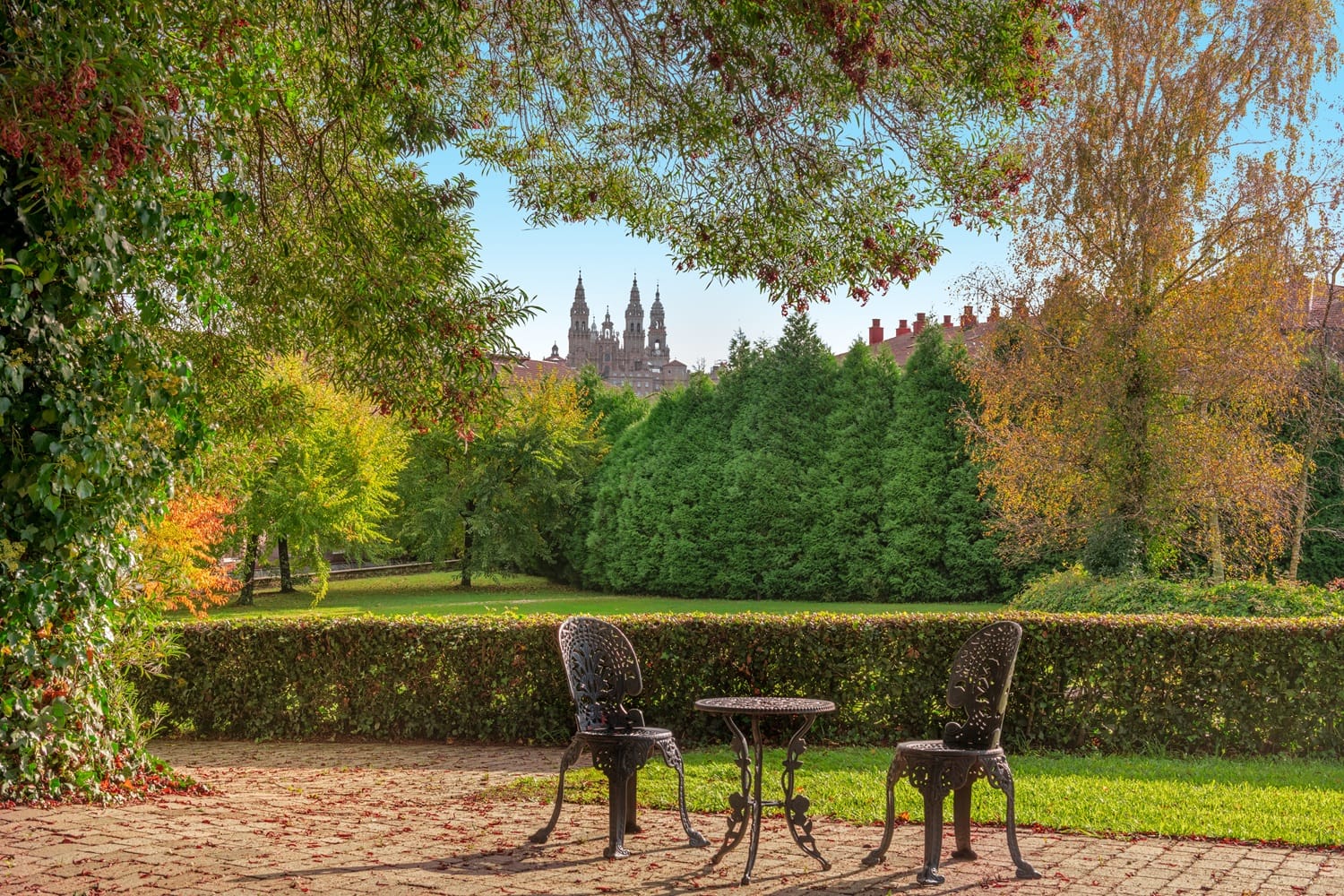
Several examples illustrate this trend. Hotel Palacio del Carmen, Autograph Collection occupies the former 18th-century Convent of the Oblates, in the heart of Santiago de Compostela’s historic centre, just a few metres from Plaza del Obradoiro. In Valencia, Grand Hotel Centenari, Autograph Collection is housed in the Telefónica building on Plaza del Ayuntamiento, designed in 1925 and inspired by the architecture of the Chicago School. Meanwhile, Palacio Santa Clara, Autograph Collection preserves a Modernist building designed in 1916 by architect Francisco Javier Görlich.
The three projects share more than heritage value: before becoming hotels, they represent acts of urban regeneration that return a part of the city’s own identity to it, transforming it into hospitality.
Palacio del Carmen, Autograph Collection
The Experience Goes Beyond Architecture
The building is only the first chapter in this transformation. The concept of “leisure” has gained a decisive role in the way people travel, and hotels can no longer be understood as spaces isolated from their destinations, but rather as meeting points between travellers and the city. Gastronomy, social spaces, cultural programming and experiences designed in connection with the surrounding area are now all part of the same value proposition.
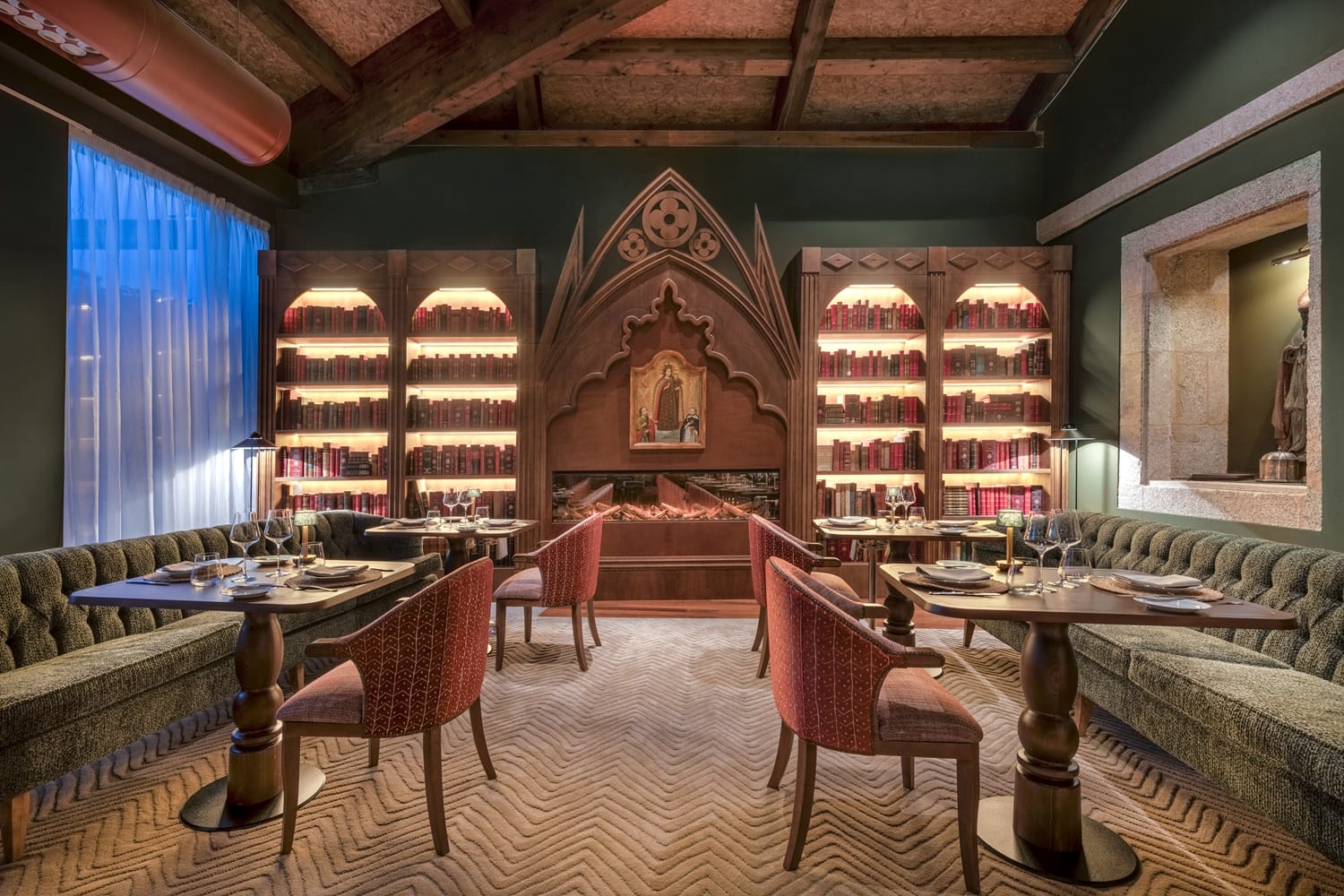
Gastronomy, in particular, has become one of the key drivers of experiential tourism. It is no longer enough to offer a good culinary proposition: hotels must create spaces with their own identity, capable of connecting travellers with the culture and flavours of the destination. At ACHM Hotels by Marriott, food and beverage is understood as an essential part of the hotel experience, with distinctive gastronomic concepts tailored to each location.
From Exclusivity to Personalisation: A New Concept of Luxury
This evolution has also changed the way quality is understood. For decades, luxury was measured by the exclusivity of facilities or the breadth of services on offer. Today, in an increasingly competitive environment, the true differentiator lies in the ability to provide personalised and authentic experiences.
Every guest travels for different reasons and expects an offering tailored to their interests, from the moment they make a reservation until long after their stay has ended. A hotel that fails to connect with its guests and provide a stay that lives up to their expectations will not be memorable, with direct consequences for its ability to build loyalty.
Technology has been fundamental in moving in this direction. It makes it possible to understand guests better, anticipate their preferences and remove friction throughout the entire journey. But technology does not replace hospitality: no algorithm can replace a team’s ability to build trust, surprise a guest or turn a stay into a lasting memory. Ultimately, it is people who turn a stay into a memory.
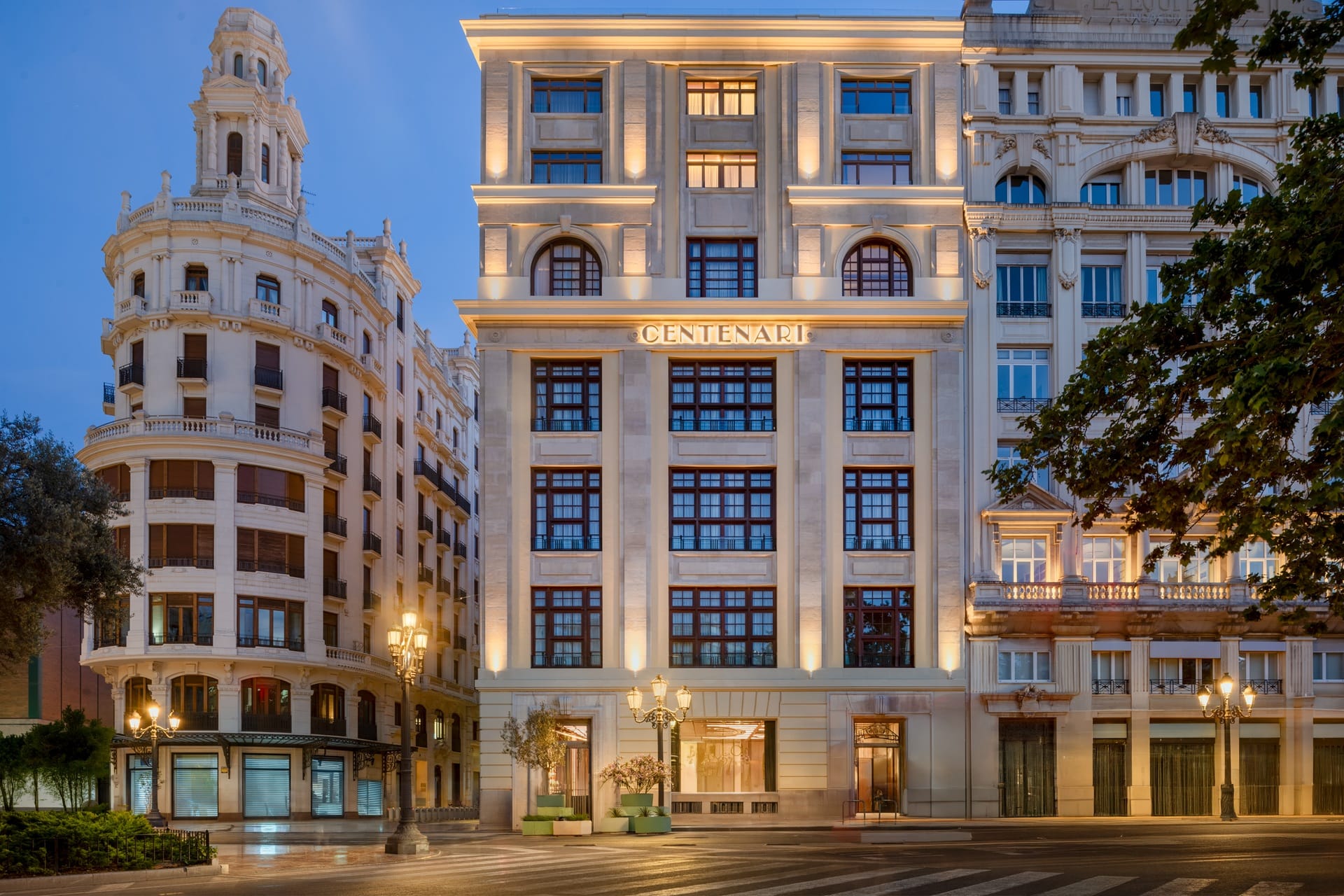
Grand Hotel Centenari, Autograph Collection
Authenticity: The New Value in Tourism
Authenticity completes this transformation. Travellers increasingly value destinations and hotels with a distinct identity, deeply connected to their surroundings. Spain has understood this better than many other European countries: its medium-sized cities, with their extraordinary cultural, gastronomic and architectural heritage, have become some of the most sought-after destinations for international travellers.
Cities such as Málaga, Seville and Palma offer something that major capitals often lack: an accessible cultural life and a Mediterranean identity that travellers from North America and Northern Europe perceive as authentic. The traveller who plans their visit to Málaga from AC Hotel Málaga Palacio, with views over Paseo del Parque and the Cathedral, or those staying in Seville or Palma with the historic centre just steps away, are embracing a type of luxury that is increasingly valued.
A Tourism Model That Goes Beyond Passive Relaxation
All of this is shaping a new model of tourism that goes well beyond the idea of passive relaxation. Travelling for pleasure today involves an active search for connection with a place: learning through gastronomy, architecture or history, and experiencing moments that are not part of any organised itinerary, but are only possible when travellers have the time, curiosity and openness to discover them.
At ACHM Hotels by Marriott, this philosophy has been applied for years across the more than 75 properties the company manages in Spain, Italy and Portugal, guided by one core belief: every hotel should reflect the place where it is located and contribute to enriching the traveller’s experience. It is not simply about managing accommodation, but about creating spaces that connect people with the destination, respecting its history, identity and way of life.
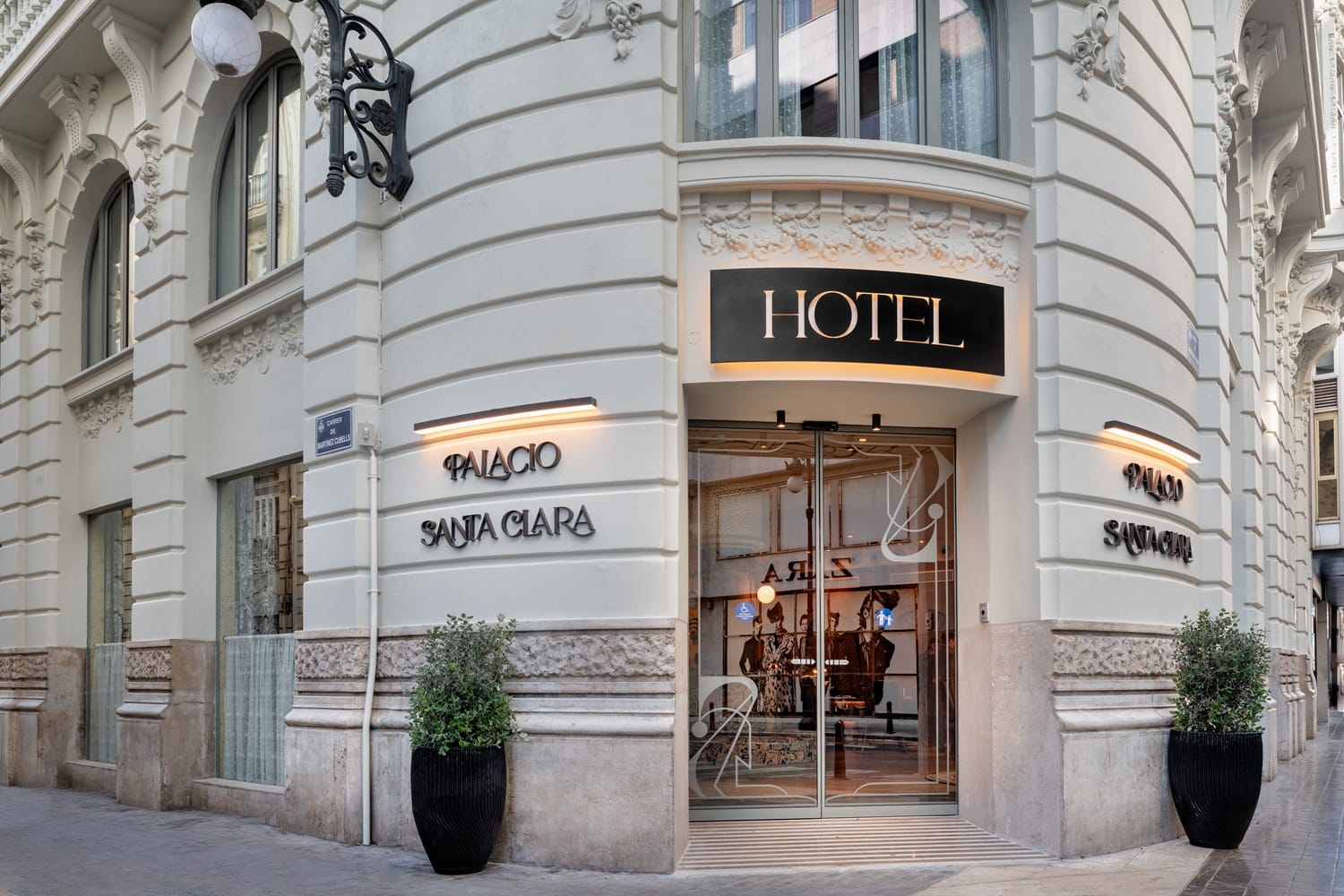
Palacio Santa Clara, Autograph Collection
The True Measure of a Successful Journey
The future of tourism will not be measured solely by the number of travellers or overnight stays, but by the quality of the experiences the industry is capable of offering. Because the true success of a journey is not determined by the places visited, but by the memories that remain when travellers return home.